

 ≥99% PURE
Repair & Regeneration Research
Compounds investigated in tissue-repair and connective-tissue research literature.
Read repair & regeneration research research: benefits, side effects & data →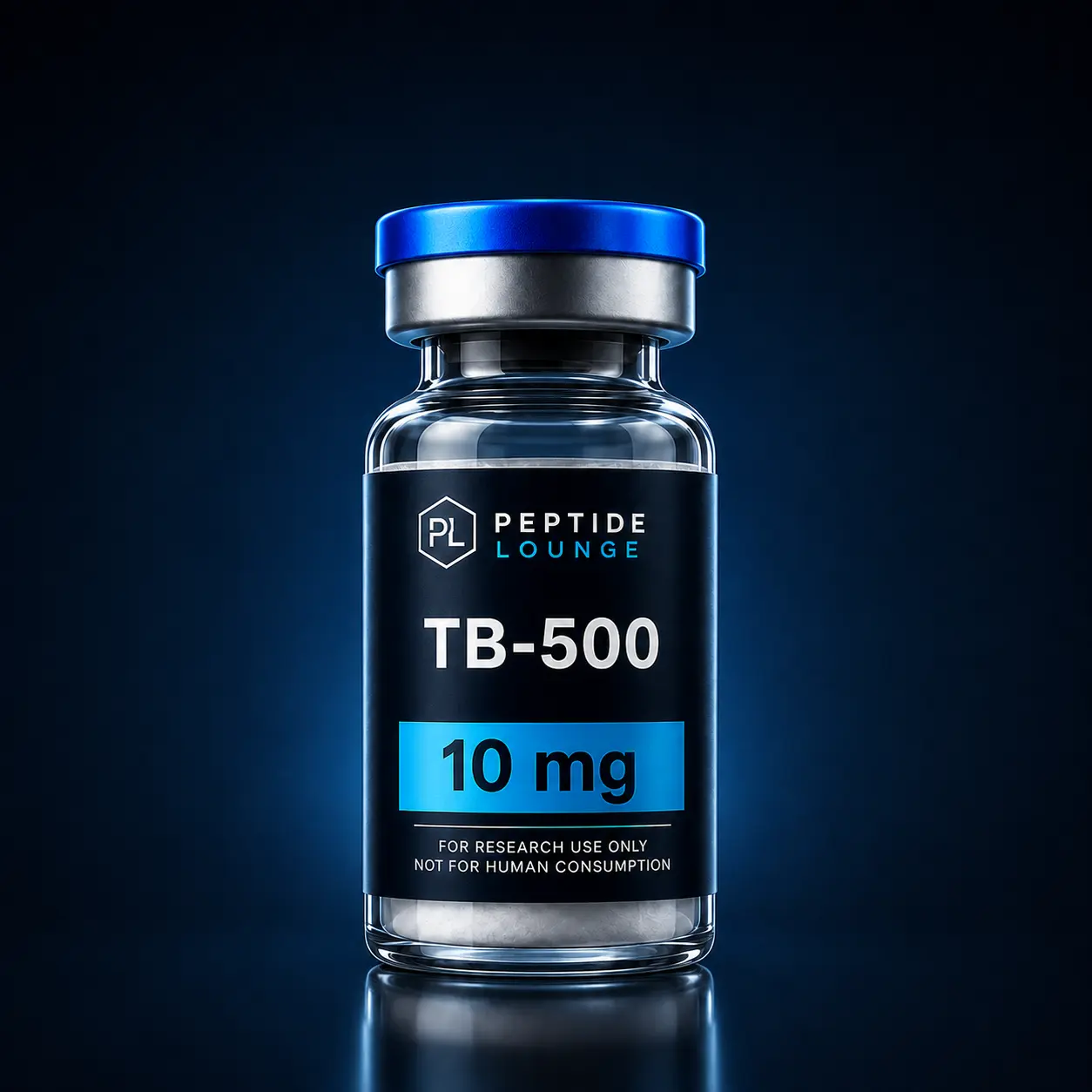
Repair & Regeneration Research: a buyer’s guide
Repair and regeneration reference peptides are used in tissue-healing, angiogenesis and connective-tissue models. Almost all of the published work on these compounds is preclinical, so the practical questions when sourcing them are strength, purity documentation and stability rather than clinical comparison.
Compare at a glance
Cost per mg is calculated at the largest vial size listed for each compound.
| Compound | Vial sizes | From | Cost / mg | Studied model |
|---|---|---|---|---|
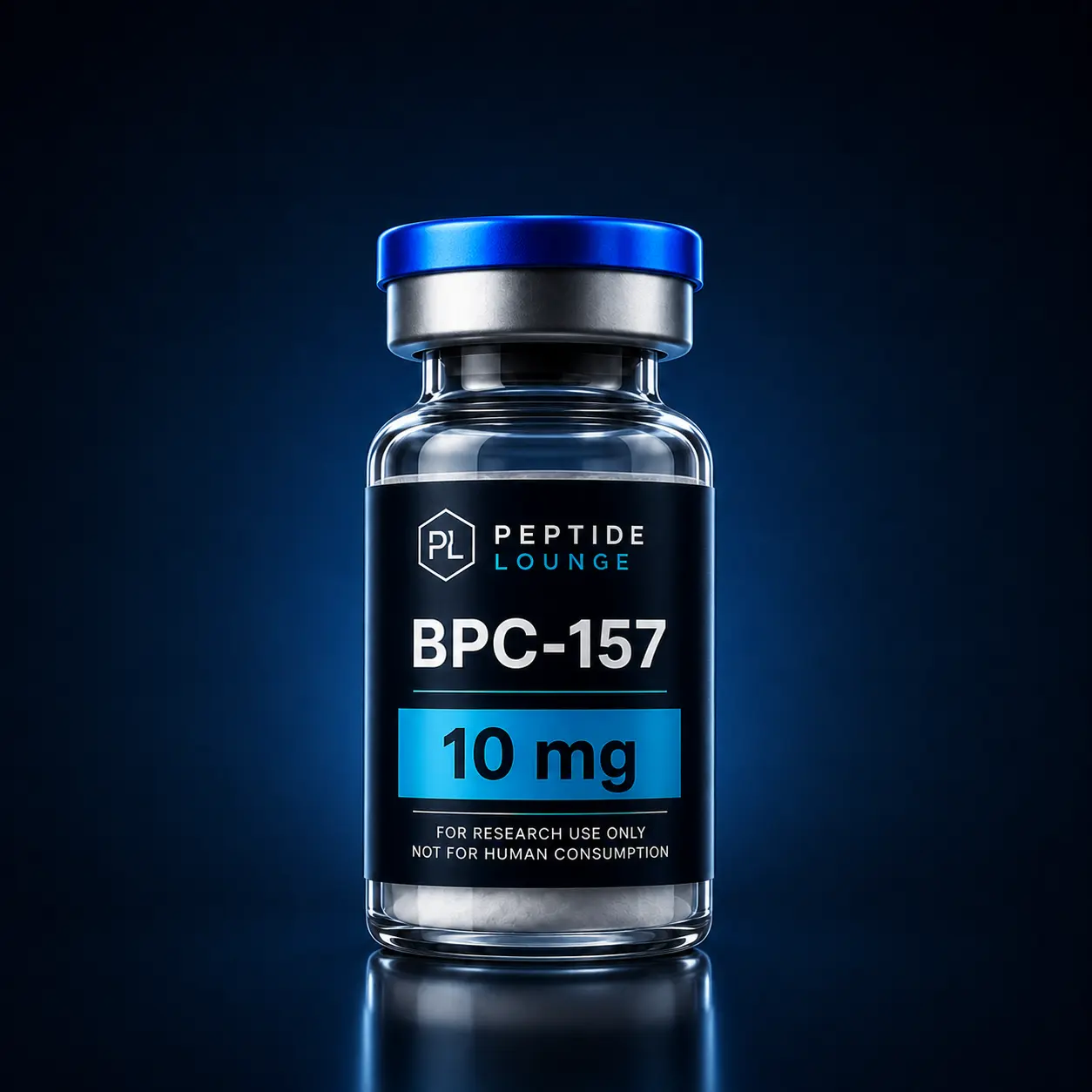
| BPC-157 | 10mg | $31.99 | $3.20 | Pentadecapeptide reference material widely studied in tissue-repair and angiogenesis literature. |
| TB-500 | 10mg | $31.99 | $3.20 | Thymosin beta-4 fragment studied in actin-binding and tissue-remodelling research. |
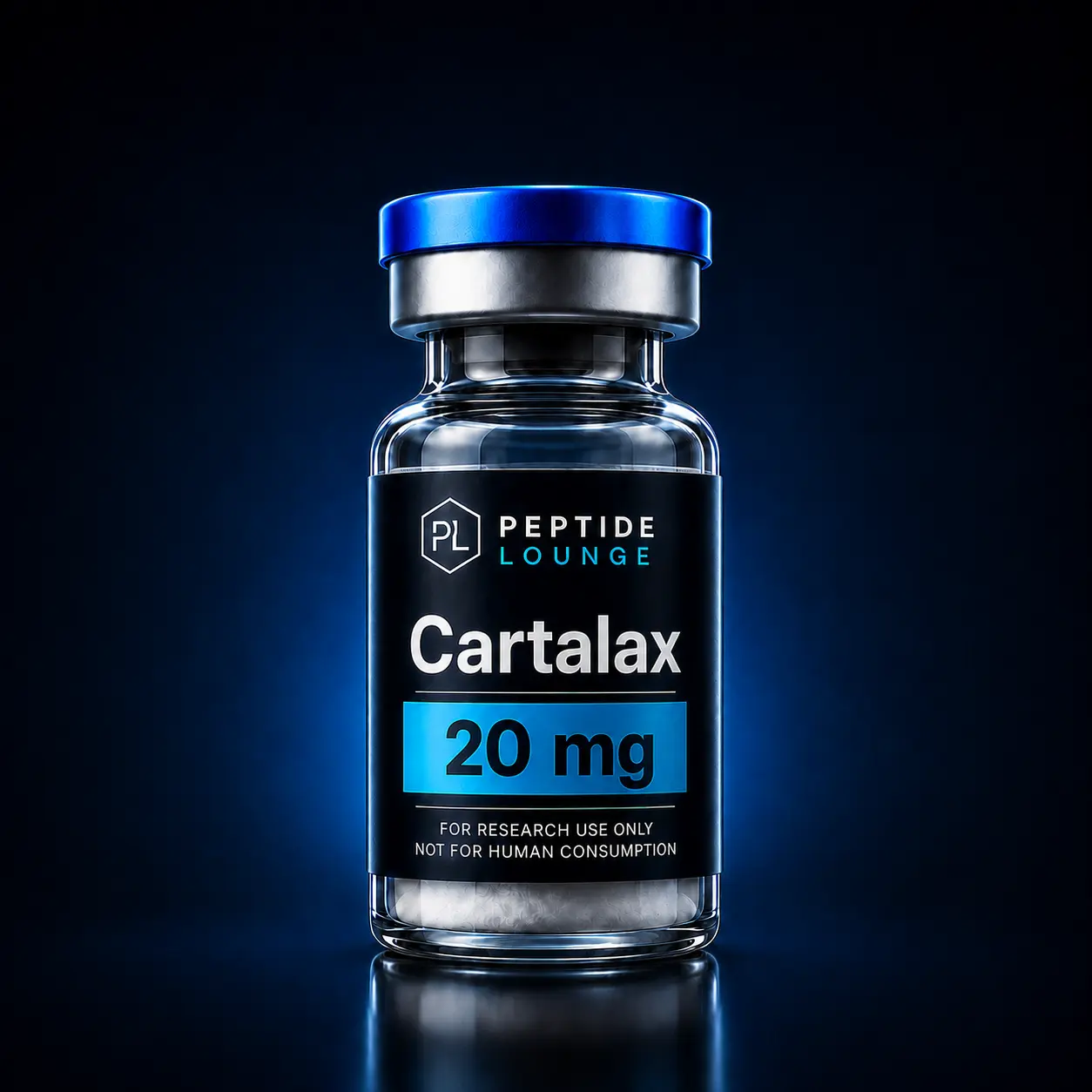
| Cartalax | 20mg | $55.99 | $2.80 | Short bioregulator peptide studied in cartilage and connective-tissue research. |
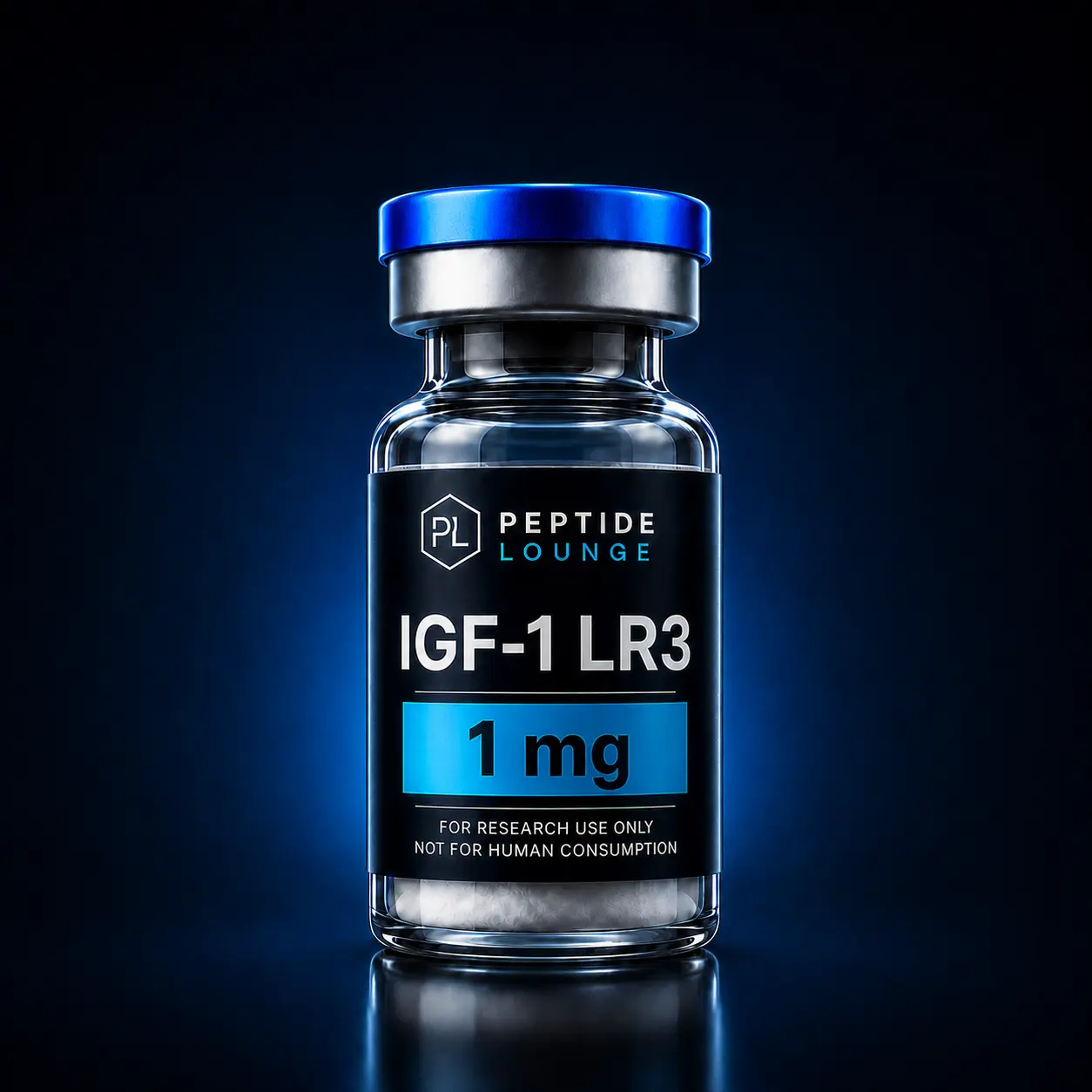
| IGF-1 LR3 | 1mg | $55.99 | $55.99 | Long-acting IGF-1 analogue used in growth-factor signalling research. |
How the compounds in this category differ
The category divides broadly into short synthetic sequences studied in gastrointestinal and tendon-repair models, actin-binding fragments studied in cell-migration and angiogenesis assays, and growth-factor-adjacent materials studied in dermal and matrix models. Blended vials combine two of these in a single lyophilised fill for protocols that dose them together.
Because the mechanisms are distinct, these compounds are usually selected by the model being run rather than substituted for one another. Where a blend exists, it exists to remove a reconstitution step, not to change the pharmacology of either component.
Reading vial strengths and cost per milligram
Every item is an individual vial with the peptide mass stated in milligrams. Blended vials list each component and its mass separately so the total fill is never ambiguous.
Cost per milligram is the useful comparison figure here, particularly across the 5 mg and 10 mg options that most repair compounds are offered in. The table below lists the entry price and the effective per-milligram cost at the largest vial size.
Purity, testing and documentation
Repair peptides are characterised by reverse-phase HPLC with mass-spectrometry identity confirmation, and the certificate of analysis provided is matched to the lot shipped. Purity figures are stated on the COA rather than claimed generically on the product page.
These sequences are stable as lyophilised powder at ambient transit temperatures. Store at -20 °C desiccated, reconstitute slowly down the vial wall with bacteriostatic water, and hold solutions at 2-8 °C.
Ordering at research volume
Repair compounds are frequently ordered in multiples for parallel model arms, and volume pricing applies from five vials upward across a mixed basket. Free shipping applies above the standard order threshold and reconstitution supplies are included.
All material is supplied for laboratory research use only. It is not a drug and is not for human or veterinary use.
Research profiles for these compounds
Published-literature summaries covering studied effects, reported side effects and evidence quality.
Frequently asked questions
- What are repair and regeneration research peptides studied for?
- Published preclinical work covers tissue-repair, angiogenesis, cell-migration and connective-tissue models. There are no completed placebo-controlled human efficacy trials for most compounds in this category, which is the main caveat when reading summaries of their effects.
- Should I order a blend or the individual compounds?
- A blended vial removes a reconstitution step when a protocol calls for both components together. If arms of the study need each compound separately, order the individual vials so the doses can be varied independently.
- How should repair peptides be stored?
- Store lyophilised vials at -20 °C, desiccated and protected from light. After reconstitution with bacteriostatic water, store at 2-8 °C and avoid repeated freeze-thaw cycles.
- Is a lot-matched certificate of analysis available?
- Yes. Each lot is tested by reverse-phase HPLC with identity confirmed by mass spectrometry, and the COA supplied corresponds to the lot shipped.
For Research Use Only
All products listed are supplied strictly as laboratory reagents for in-vitro research and analytical work conducted by qualified professionals. They are not drugs, foods, cosmetics or medical devices, and must not be administered to humans or animals. No product on this site is approved by the FDA for human use.