

 ≥99% PURE
GLP & Metabolic Research
Incretin-pathway and metabolic reference compounds studied in receptor and analytical research.
Read glp & metabolic research research: benefits, side effects & data →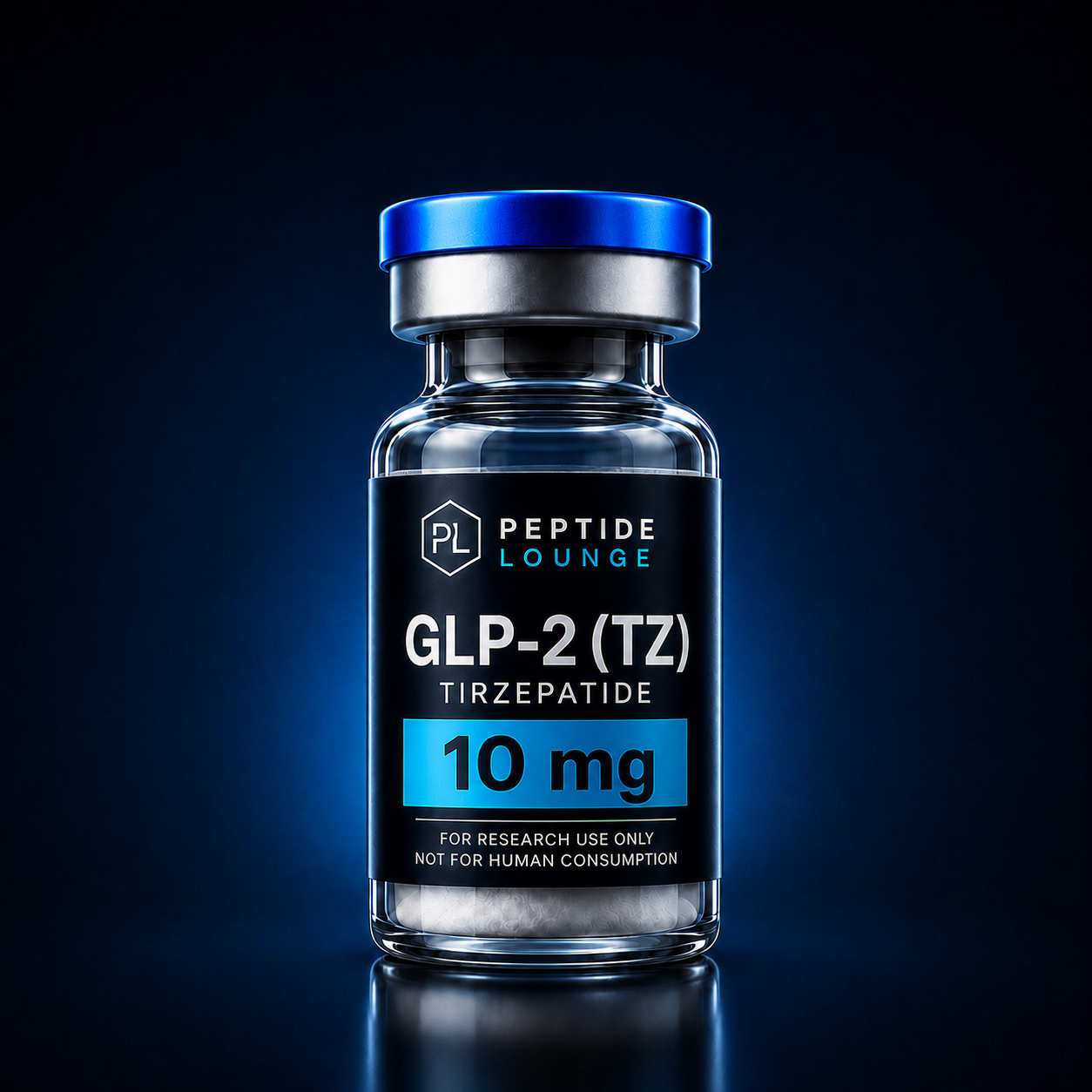
GLP & Metabolic Research: a buyer’s guide
GLP-1, GIP and glucagon-receptor reference compounds are the most requested materials in metabolic research, and they are also the ones where vial labelling and purity documentation vary most between suppliers. This guide explains how the compounds in this category differ, how to read the strengths on each vial, and what documentation to expect before ordering.
Compare at a glance
Cost per mg is calculated at the largest vial size listed for each compound.
| Compound | Vial sizes | From | Cost / mg | Studied pathway |
|---|---|---|---|---|
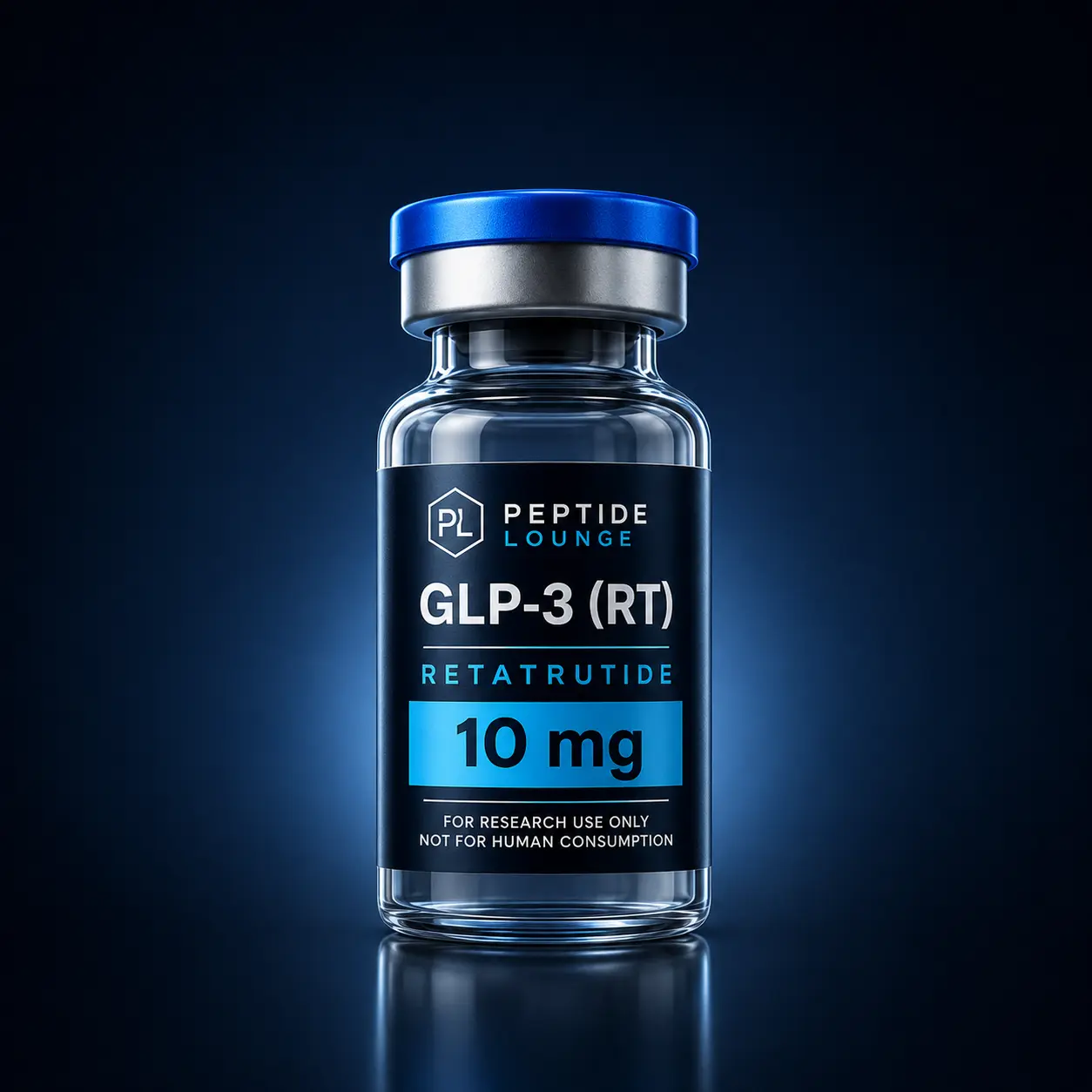
| GLP-3 (RT) | 10mg, 20mg, 30mg, 60mg | $55.99 | $2.50 | Triple GIP/GLP-1/glucagon receptor reference standard used in multi-receptor incretin signalling research. |
| GLP-2 (TR) | 10mg, 20mg, 30mg, 60mg | $27.99 | $1.47 | Dual GIP/GLP-1 receptor reference standard used in incretin-pathway assay work. |
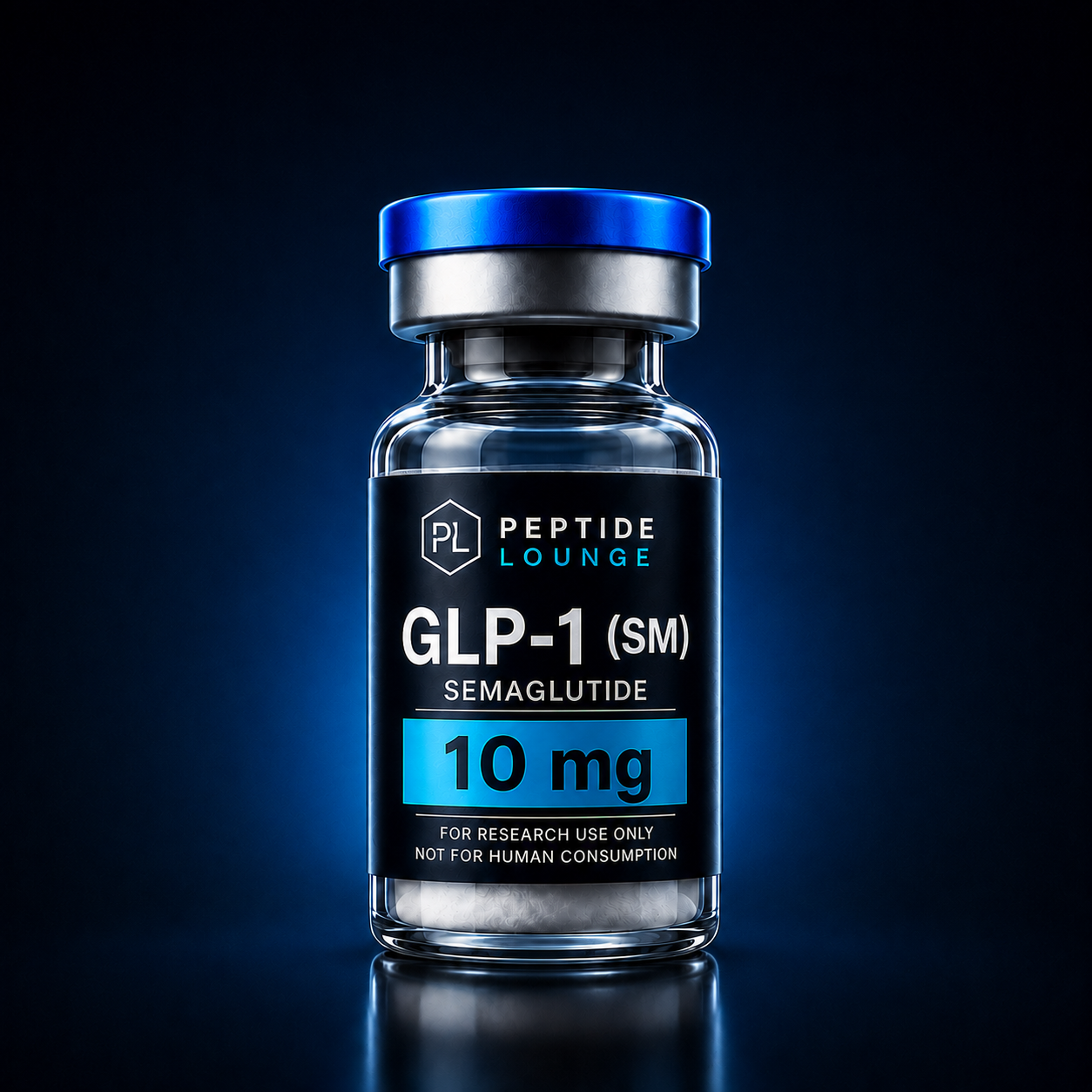
| GLP-1 (SM) | 10mg, 20mg | $19.99 | $1.50 | GLP-1 receptor reference peptide used in receptor-affinity and analytical comparison research. |
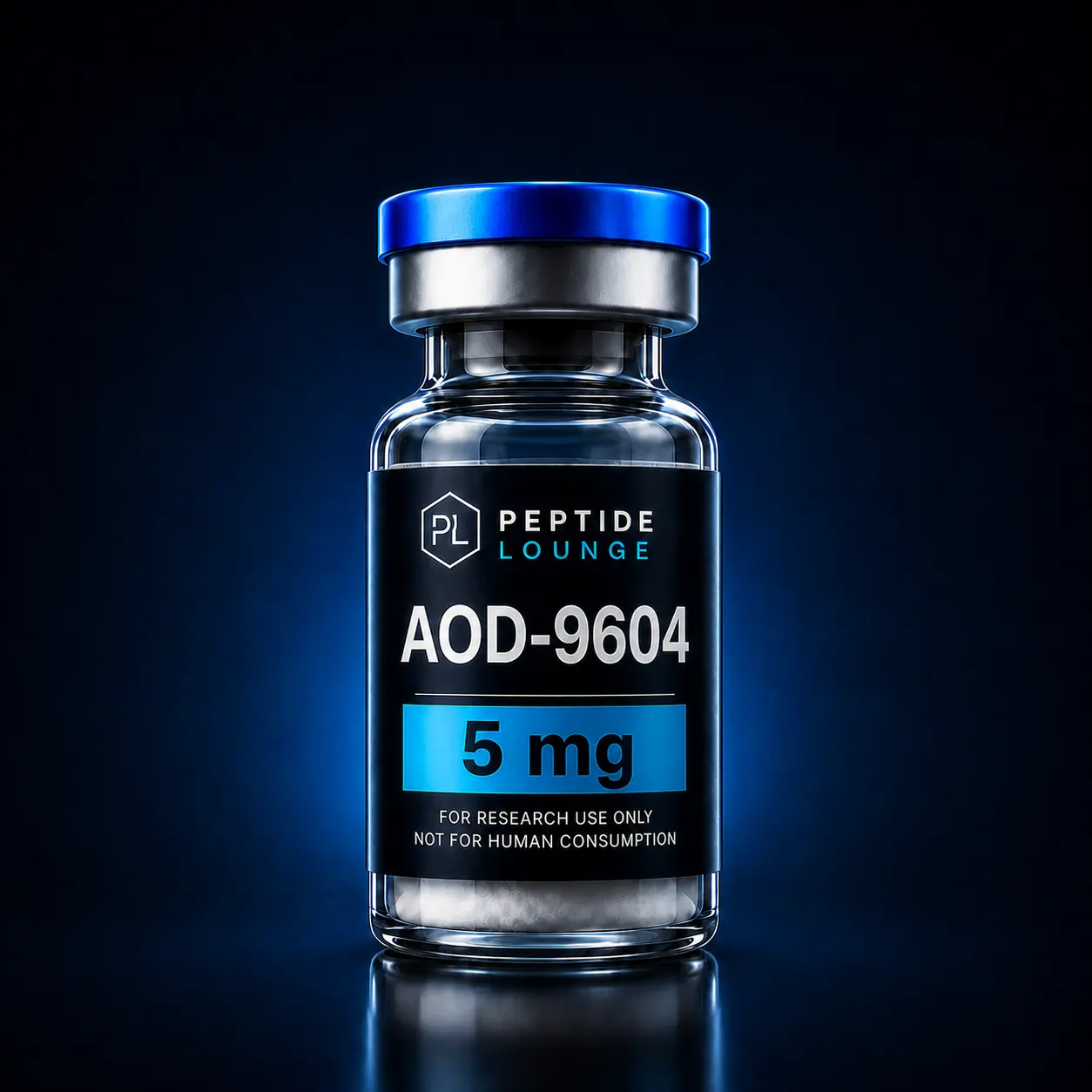
| AOD-9604 | 5mg, 10mg | $39.99 | $5.40 | hGH fragment analogue studied in lipolysis and adipose-metabolism research. |
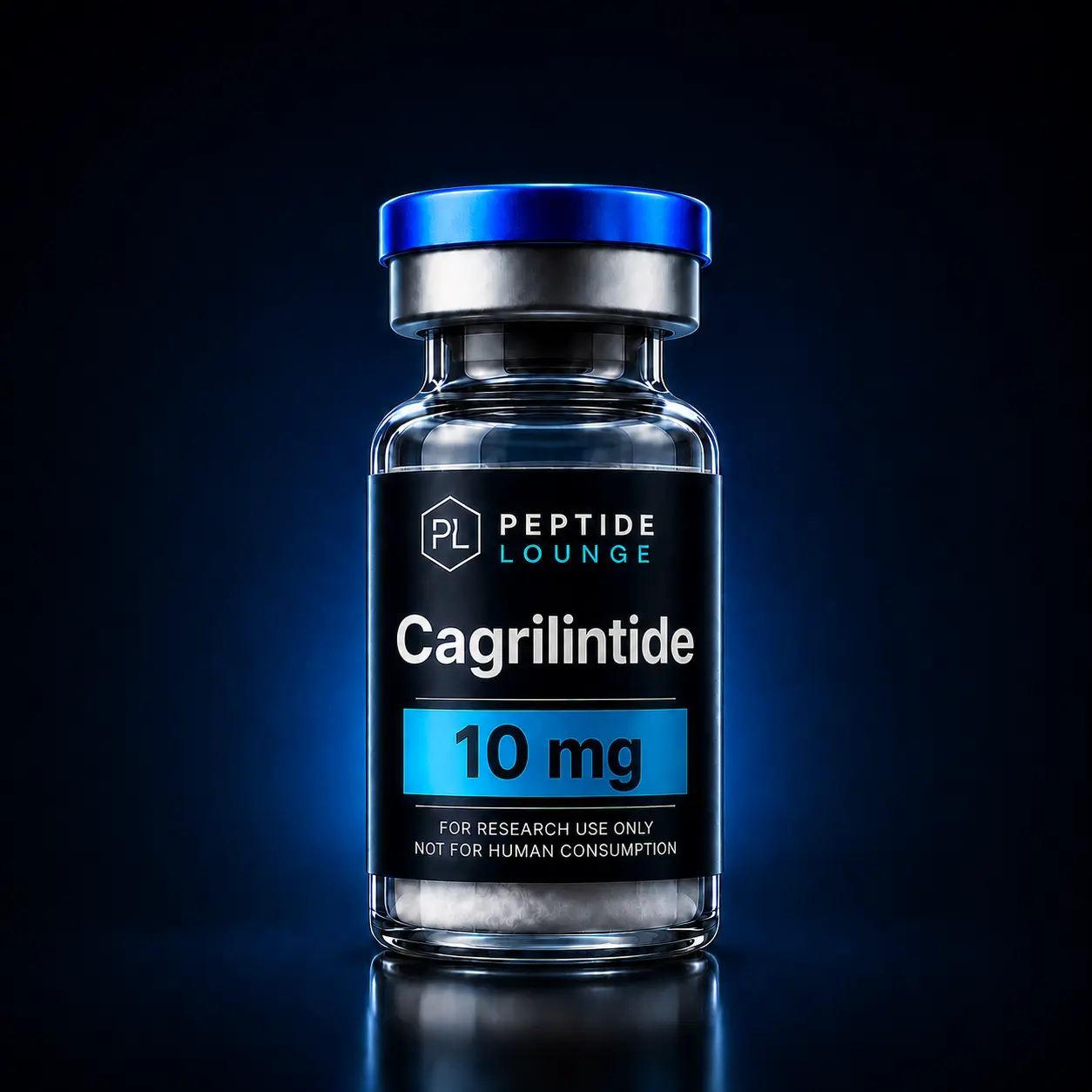
| Cagrilintide | 10mg | $55.99 | $5.60 | Long-acting amylin analogue used in amylin-receptor and metabolic research. |
How the compounds in this category differ
Incretin-pathway reference compounds are usually grouped by how many receptors they engage. Single-agonist material acts at the GLP-1 receptor only. Dual-agonist material engages both GLP-1 and GIP receptors, and triple-agonist material adds glucagon-receptor activity. That mechanistic difference is the main reason a protocol calls for one compound rather than another — it is not a ranking of quality or potency.
Alongside the agonists, this category holds metabolic reference materials used in adjacent pathways: AMPK and mitochondrial-pathway compounds, amylin-analogue references and oral small-molecule GLP-1 receptor agonists. These are typically used as comparators in assay work rather than as substitutes for the peptide agonists.
Reading vial strengths and cost per milligram
Every product in this category is supplied as an individual lyophilised vial, never as a kit. Strength is stated in milligrams of peptide per vial, so a 10 mg vial contains ten times the material of a 1 mg vial regardless of the fill volume you reconstitute it to.
Because larger vials carry proportionally less overhead, the cost per milligram falls as the vial size rises. The table below shows the lowest listed vial price and the effective cost per milligram at the largest available size, which is the fairest way to compare two compounds against each other or against another supplier.
Purity, testing and documentation
Material in this category is characterised by reverse-phase HPLC with identity confirmed by mass spectrometry, and a certificate of analysis is matched to the lot you receive rather than to a generic reference batch. Ask for the lot-matched COA before you order if your protocol requires documented purity.
Lyophilised vials are shipped at ambient temperature and are stable in transit. Store them at -20 °C, desiccated and protected from light; once reconstituted, keep solutions at 2-8 °C and avoid repeated freeze-thaw cycles, which is the most common cause of unexplained assay drift.
Ordering at research volume
Multi-vial orders in this category qualify for volume pricing at five, ten, fifteen and twenty vials, and mixed baskets across compounds count toward the same tier. Orders above the standard free-shipping threshold ship at no cost, and every order includes reconstitution supplies.
All material in this category is supplied for laboratory research use only. It is not a drug, not for human or veterinary use, and nothing on this page describes a therapeutic outcome.
Research profiles for these compounds
Published-literature summaries covering studied effects, reported side effects and evidence quality.
Frequently asked questions
- What is the difference between single, dual and triple agonist research peptides?
- Single-agonist material engages the GLP-1 receptor only, dual-agonist material engages GLP-1 and GIP receptors, and triple-agonist material adds glucagon-receptor activity. The choice is driven by the receptor pathway a protocol is measuring, not by potency ranking.
- How do I compare the price of two GLP research peptides fairly?
- Compare cost per milligram at the largest vial size rather than the headline vial price, because larger vials carry proportionally less overhead. The comparison table on this page lists both figures for every compound in the category.
- Are GLP and metabolic research compounds sold as kits?
- No. Every compound in this category is supplied as an individual lyophilised vial in the strengths listed. Reconstitution supplies are included with each order.
- Is a certificate of analysis available for metabolic research peptides?
- Yes. Each lot is tested by reverse-phase HPLC with identity confirmed by mass spectrometry, and the certificate of analysis supplied matches the lot shipped rather than a generic reference batch.
For Research Use Only
All products listed are supplied strictly as laboratory reagents for in-vitro research and analytical work conducted by qualified professionals. They are not drugs, foods, cosmetics or medical devices, and must not be administered to humans or animals. No product on this site is approved by the FDA for human use.